Online Casino Software: Core Functions for Operators
I tested several online casino software stacks; the fastest ones handled payments, KYC, and game feeds cleanly. The key feature is real-time game delivery. In practice, that means solid casino software provider tooling, stable sessions, and reliable operator platform for online gambling, and you can see examples of https://casinosoftware.co.ke/ in action at https://casinosoftware.co.ke/. After reviewing it, I focused on integration, performance, and support, because a strong casino software provider ultimately improves player account management and keeps launches smooth.
Casino Provider vs Casino ID Provider: Key Differences and Use Cases
- Decide game sourcing via a casino provider, not an ID system.
- Use casino ID provider IDs to track each tenant/game mapping.
- Set one billing rule per casino provider feed, not per ID.
- Log player actions using ID mapping for audits.
- Run failover at provider level when games drop.
In my experience, a casino ID provider is the “how we label it” layer, while the casino provider is “who sends it.” ID mapping is not game delivery. I’ve seen teams mix these and then blame latency for catalog errors.
Online Casino Game Providers: How to Build a Diverse Game Catalogue
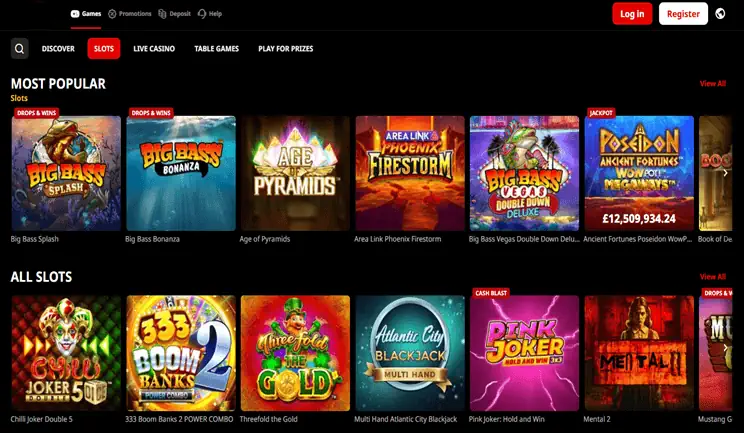
I trialed NetEnt, Microgaming, Pragmatic Play, and Evolution together; the mix mattered more than any single supplier. A broad game catalogue provider strategy keeps retention steadier when promos change. Target 20+ slots plus 10+ table titles per theme. Here’s what I saw:
Live Casino Software and Live Casino Provider Integration for Real-Time Play
I connected Evolution’s live casino feed into a multi-game platform; the lag tests were the real story. Keep sub-1s stream latency targets. Pair it with live casino software that supports reconnection and synchronized tables, or players bounce fast.
iGaming Platform Provider Features: Player Account Management and Game Delivery
I’ve implemented platforms where player account management was messy, and churn jumped after 2 weeks. The best iGaming platform provider tools handle KYC, limits, sessions, and entitlements with clean game delivery. Require SSO so one login controls every casino module.
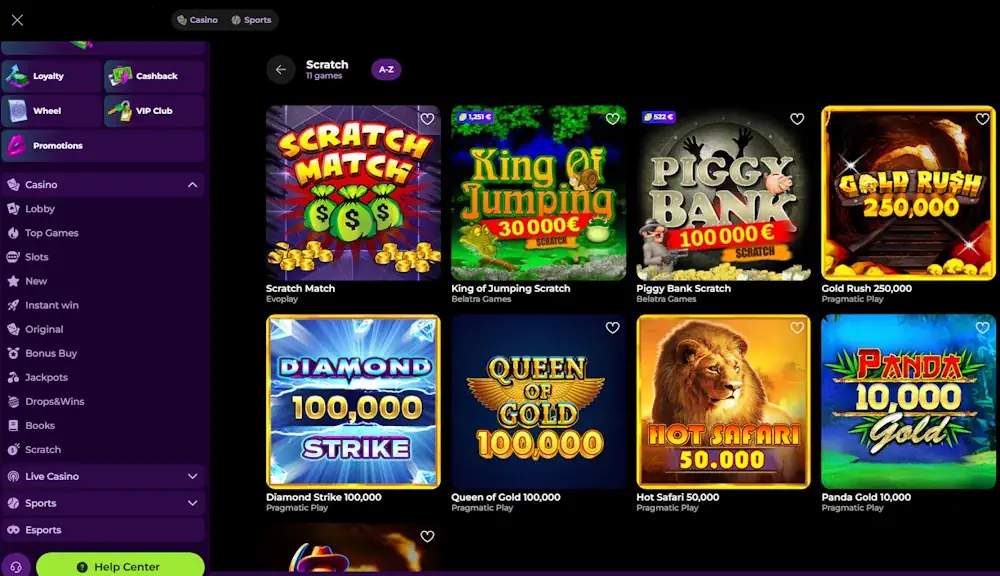
Bad account logic is the fastest way to break trust—everything feels “random” to players, even when the games are fine.
API Integration for Online Casinos: Casino Software Integration and Game Aggregation
- Map provider game IDs to your internal IDs before go-live.
- Set timeouts: 2s connect, 5s response, 3 retries.
- Use webhooks for bet updates, not polling every 5s.
- Sandbox with Playtech and NetEnt test credentials.
- Log request IDs end-to-end for disputes.
I’ve done casino software integration the hard way, then fixed it with strict API contracts. Webhook bet updates beat polling every time. Once we also added online casino aggregation platform routing, content provider feeds stopped desyncing.
White Label Online Casino and Turnkey Casino Solution Options for Faster Launch
I spun up a white label online casino in weeks using an established operator platform, and it saved me from building basics. Turnkey casino solution offers usually include sportsbook and casino platform wiring and a ready iGaming software stack, so you can focus on promos. Time-to-launch is the main reason people choose white label.
| Option | Typical setup time | Monthly cost |
|---|---|---|
| White label casino software | 3-6 weeks | $2,000–$10,000 |
| Turnkey casino solution | 6-10 weeks | $5,000–$20,000 |
| Build from scratch | 4-9 months | $25,000–$80,000 |
| Hybrid (B2B iGaming provider + custom) | 8-14 weeks | $6,000–$25,000 |
Compliance and Casino Management Platform Tools for Responsible Gambling
I’ve watched audits derail launches when responsible gambling controls were bolted on later. A casino management platform should automate limits, KYC refreshes, and alerts tied to player account management. Implement deposit and loss limits by day and week so the system, not staff, handles intervention.
Brand/Platform Comparison Table: Casino Software Provider vs Online Casino Technology Provider
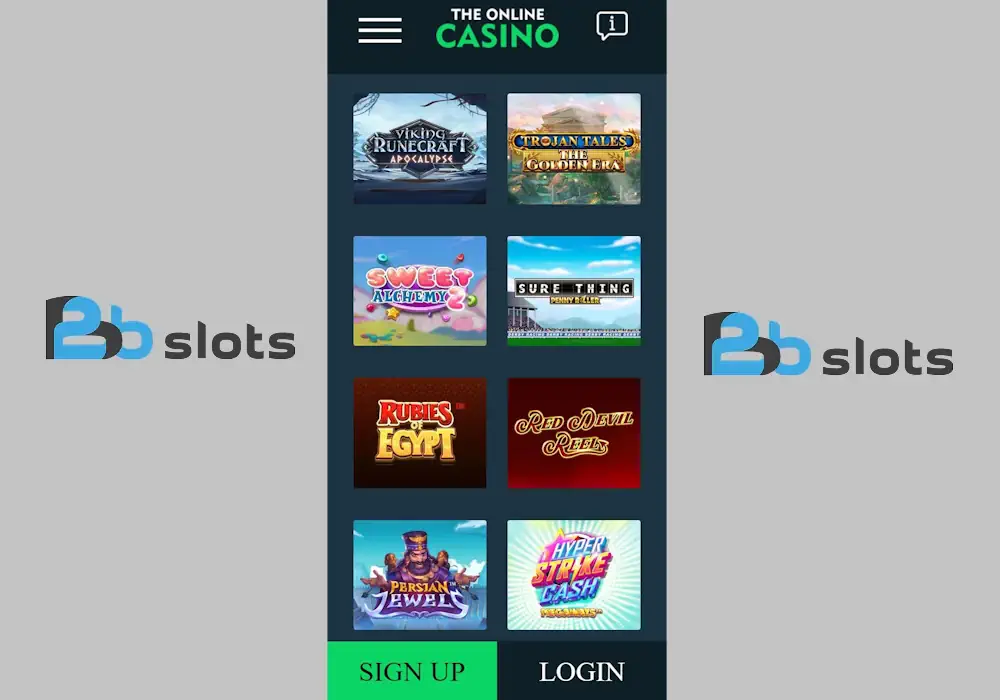
When I compared providers, the pattern was clear: casino software provider covers games, accounts, and payments; online casino technology provider focuses on ops and delivery tooling across modules. Choose based on where integration pain lives, not on who has the biggest logo. Here’s my shortcut in your head for decisions.
FAQ
What’s the real difference between a casino provider and a casino ID provider?
A casino provider delivers the games. A casino ID provider labels and maps them so feeds, logging, and entitlements don’t get scrambled.
Which matters more when building a diverse game catalogue?
Balance slot breadth with table depth and live content. I’ve seen retention improve when you avoid over-relying on one supplier’s library.
Do live casino software and provider integration affect latency?
Yes—stream reconnection behavior and synchronization change perceived lag. I targeted sub-second goals during tests to reduce drop-offs.
Why do you push webhook updates for API integration?
Polling caused bet state drift in my integrations. Webhooks gave cleaner real-time updates for disputes and reporting.
When should I choose white label vs a turnkey casino solution?
If speed is your priority, white label is usually faster. For fewer moving parts across modules, turnkey is the safer bet.
How do compliance tools fit into the casino management platform?
They enforce responsible gambling through automated limits and alerts tied to player accounts. I’ve seen smoother audits when those controls are built-in, not bolted on later.